
Why Ben Slater and Haseeb Hameed Shine Individually but Don’t Always Click as a Pair
15.03.26, 00:00 Updated 28.08.26, 14:37 4 Minute Read

Andy Moore
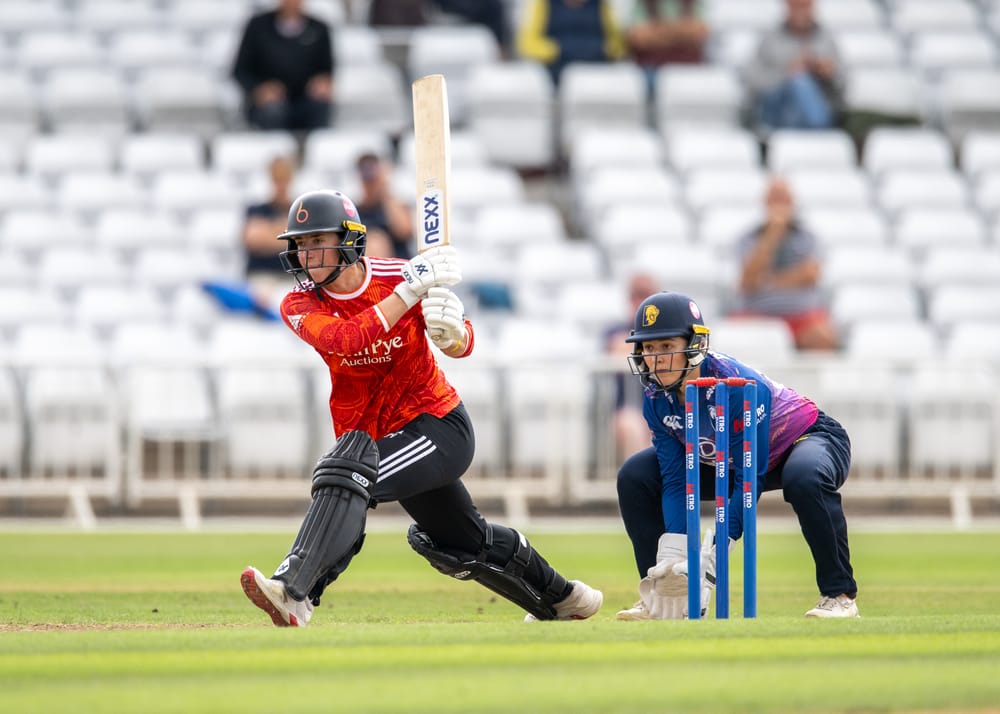
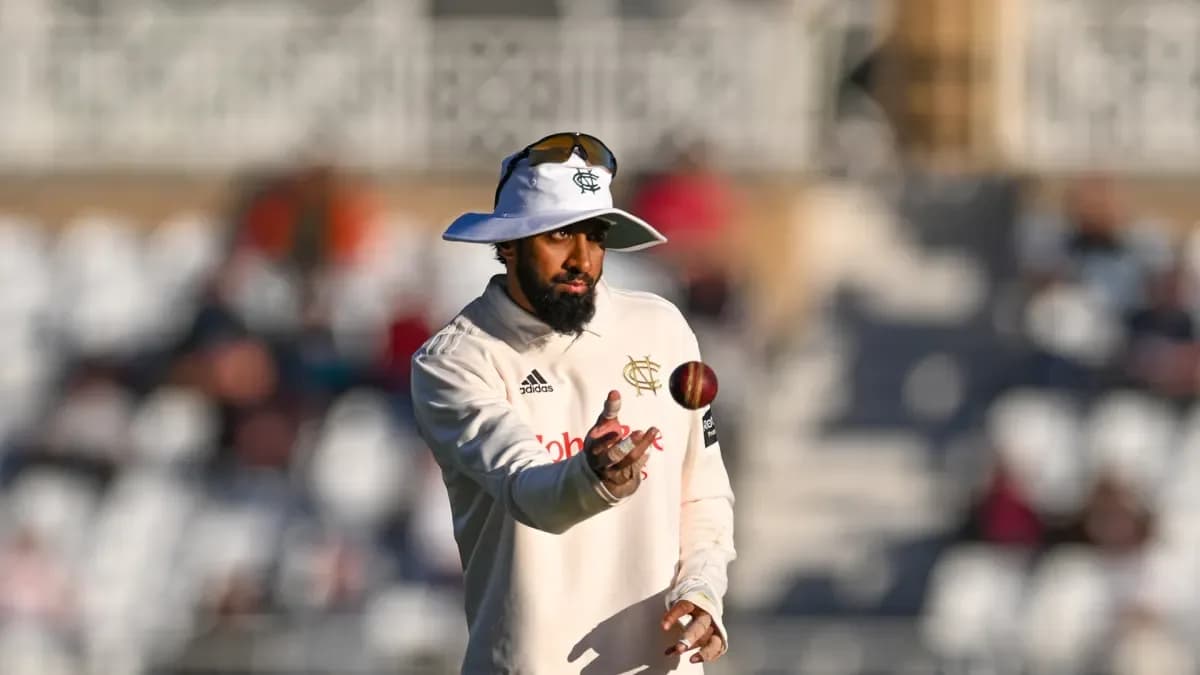
Over the past few seasons, Ben Slater and Haseeb Hameed have been pillars of Nottinghamshire’s top order — among the most consistent run‑scorers for the club in both the County Championship and One Day Cup.
Yet, paradoxically, there’s a pattern: while both players score heavily on their own, the opening (or early) partnership between them hasn’t quite delivered as often as fans might expect, despite flashes of excellence.
The Individual Brilliance
Both Slater and Hameed have compiled impressive personal records for Nottinghamshire in recent seasons: Ben Slater scored 1000 first‑class runs in the 2025 County Championship Division One, averaging 43.5 and playing a major role throughout the campaign.
Haseeb Hameed was even more prolific in 2025, scoring 1,258 runs with four centuries and a double hundred among them, as Nottinghamshire went on to win the County Championship.
Those raw numbers underline why both are such important figures at the top of the order: they produce big scores, build innings, and anchor the batting when others fall around them.
Partnership Patterns
Success Isn’t Consistent Despite their individual firepower, Slater–Hameed stands haven’t consistently translated into big first‑class partnerships, particularly in the County Championship. A look at the 2025 season highlights this dynamic: In Nottinghamshire’s first innings against Hampshire in May 2025, Slater and Hameed opened and fell quickly with only 62 runs on the board before both were dismissed within a few deliveries of each other. Both contributed modestly (Slater 31, Hameed 25) before the innings collapsed around them.
In other matches the stats reflect similar patterns of low opening stands when they fall early together — even in matches where one or other goes on to make a substantial score later in the season. Reporting from the same season noted that when both failed cheaply in that Hampshire game, it was only the second time all season they both failed to score significantly together, with several solid opening partnerships of varying sizes having been recorded earlier.
Contrast that with their success in List A cricket, where they’ve shown they can forge big partnerships: in July 2024, Slater and Hameed combined for an unbeaten 209‑run partnership against Sussex in the One‑Day Cup, both scoring centuries — the highest third‑wicket stand in Nottinghamshire’s List A history.
What the Numbers Suggest So why the difference?
1️⃣ Format and Tempo Matter
In List A (50‑over) cricket, the pair clearly have synergy: they chase with a shared rhythm and fewer sessions, and the 209* stand proves they can bat together successfully. In red‑ball formats, however, established patterns of scoring and building innings can differ — often requiring prolonged concentration, rotation of strike over longer sessions, and response to tactical bowling. In such situations, even two technically excellent players might fail to convert starts into a big partnership if one gets out early.
2️⃣ Styles and Pressure Points
Hameed, especially in the 2025 season, played big innings — including a double century and multiple centuries — often seeing his side through challenging situations. Slater also had significant contributions, including key first‑class centuries, but the times when they departed early together can reset momentum for the rest of the lineup. This suggests a subtle style mismatch in partnership dynamics: Hameed may lean towards long sessions of consolidation and continuation, while Slater — despite his consistency — may find himself under pressure to play positively early if conditions favour movement or if early wickets have fallen. Dissimilar approaches at the same time in the same innings can inhibit building long, uninterrupted partnerships in first‑class matches.
Contextual Factors
There are other practical reasons why this partnership seems less effective in first‑class matches:
- Opposition tactics: experienced County Championship bowling attacks adapt quickly if both openers are looking to leave early balls or anchor rather than attack — often leading to more defensive fields and tactical bowling that favours wickets over run flow.
- Pitch and conditions: Trent Bridge and away tracks in early English summer often offer seam movement, making opening partnerships fragile across sessions, particularly when the new ball is alive.
- Match situations: team collapses and session swings can mean the first wicket partnership is under more pressure than middle‑order consolidations.
Slater and Hameed have demonstrated individually that they are among Nottinghamshire’s most valuable batters in recent seasons — consistently producing big scores and high averages. Yet their partnership in red‑ball formats doesn’t always reflect that level of individual performance, often due to contextual and stylistic factors rather than a lack of ability.
When the conditions, format, and scoring demands align — as in List A cricket — they can deliver huge stands together (e.g., a 209* run record stand). Ultimately, it’s not a question of potential: it’s about tempo, tactics, and timing, which can differ significantly between formats and match situations.
Related Topics
Andy Moore Editor